We’re putting the finishing touches on something special — ordering opens soon. Stay tuned.
← Back to Catalog

DSIP

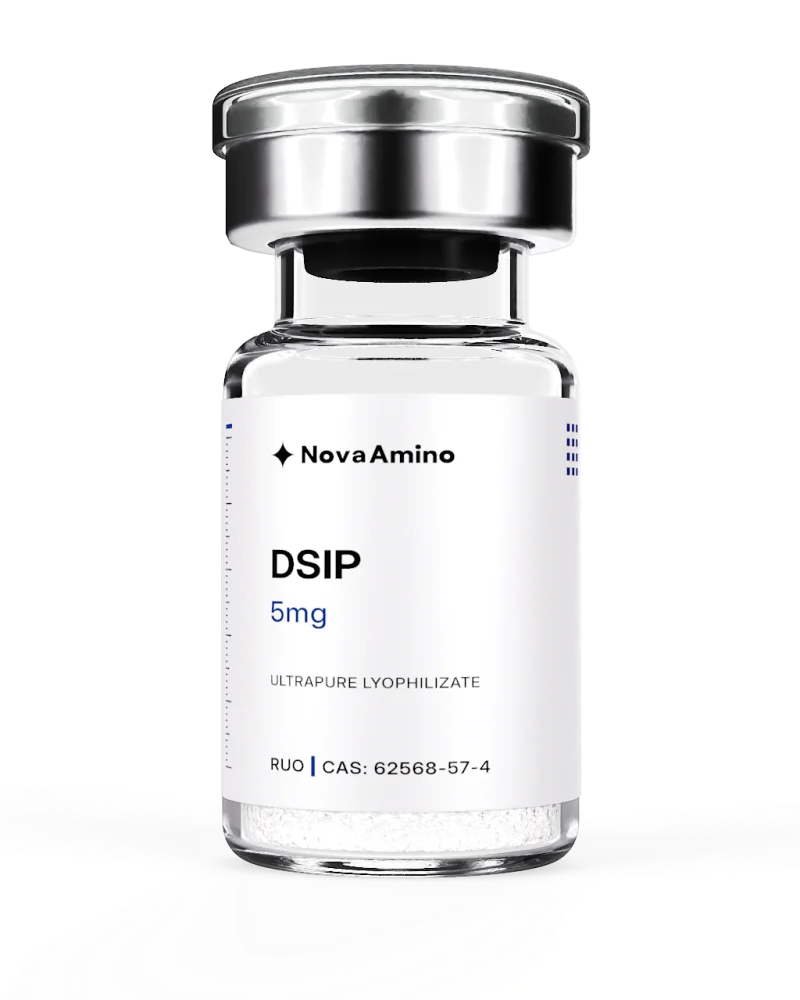
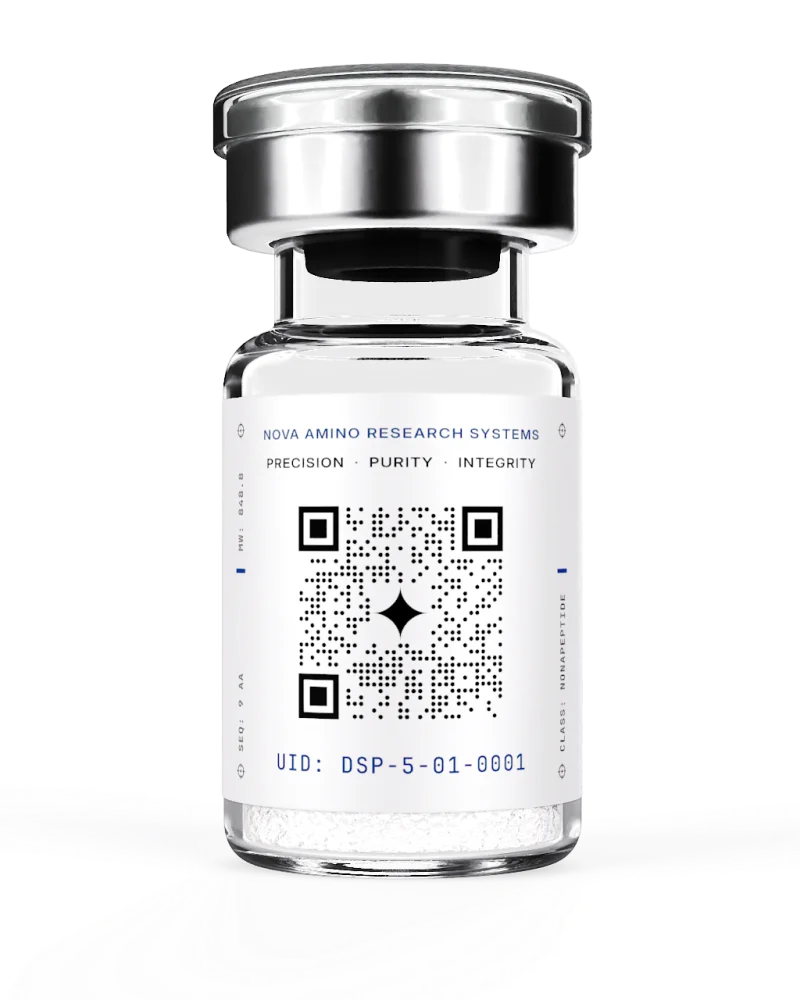
DSIP vial frontDSIP vial back
Loading...

Summary

Emideltide, Delta sleep peptide

DSIP (Delta Sleep-Inducing Peptide) was discovered in 1974 and has been studied for its effects on sleep architecture, particularly deep slow-wave sleep. Animal research showed it increased deep sleep without producing the sedation typical of conventional sleep medications. Studies have also examined its influence on stress hormones and neurotransmitter regulation.

Current Research
  • Deep sleep architecture and slow-wave sleep
  • Stress response and adaptation
  • Neuroprotection in aging models

Identification
CAS
62568-57-4
Formula
C35H49N10O14
M.W.
848.81 g/mol

Key Research Statistics

Sleep Architecture & Recovery

59%Sleep IncreaseWithin 130 minutes — human RCT (Schneider-Helmert 1983)
3–7 moEffect Persistence15-minute plasma half-life → months of benefit. Paradoxical duration.
No LD50No Lethal Dose FoundEndogenous nonapeptide — 45+ years, zero dependence or tolerance
Clinical Efficacy Across Conditions
Opiate Withdrawal Relief97%
Alcohol Withdrawal Relief87%
Chronic Pain Reduction86%
Sleep Onset Improvement59%
n=107 (opiate), clinical surveillance (alcohol), n=7 (pain)
Need-to-Know

  • Room Temperature (Lyophilized): 2-3 weeks
  • Refrigerated (Reconstituted): Up to 42 days
  • Frozen (Lyophilized): 24+ months
  • Reconstitution Solution: Bacteriostatic water, Sterile water
  • Appearance: White to off-white powder

Regulatory Status

Not FDA-approvedInvestigationalPreclinical

Delta Sleep-Inducing Peptide in experimental research.

Sources: FDA.gov, PubMed

History

1970s
Discovered in 1977 by Swiss researchers Schoenenberger and Monnier from rabbit brains during sleep studies; seemed to promote deep sleep.
1980s
Identified as a 9-amino acid peptide; showed brain wave changes in sleep studies.
1990s
Studies gave mixed results on whether it actually improves sleep.
2000s
Research continued into neuroprotective properties.
2010s
Limited new clinical development; available through research suppliers.
2020s
Recent research looking at stroke recovery effects.

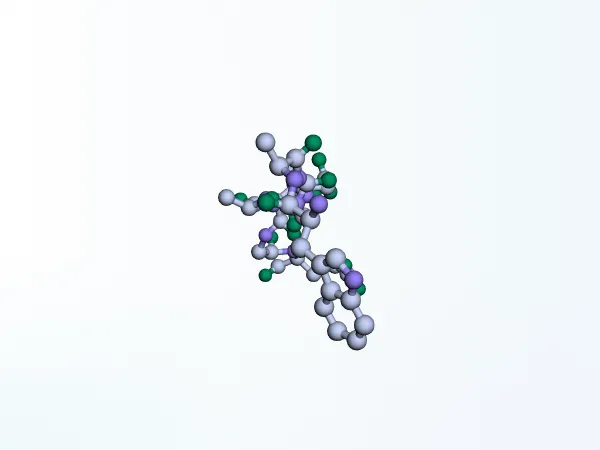
3D Structure

9-amino-acid peptide · 848.81 g/mol

Interactive model
DSIP molecule previewExplore 3D Structure

DSIP at the Cellular Level

Delta sleep-inducing peptide
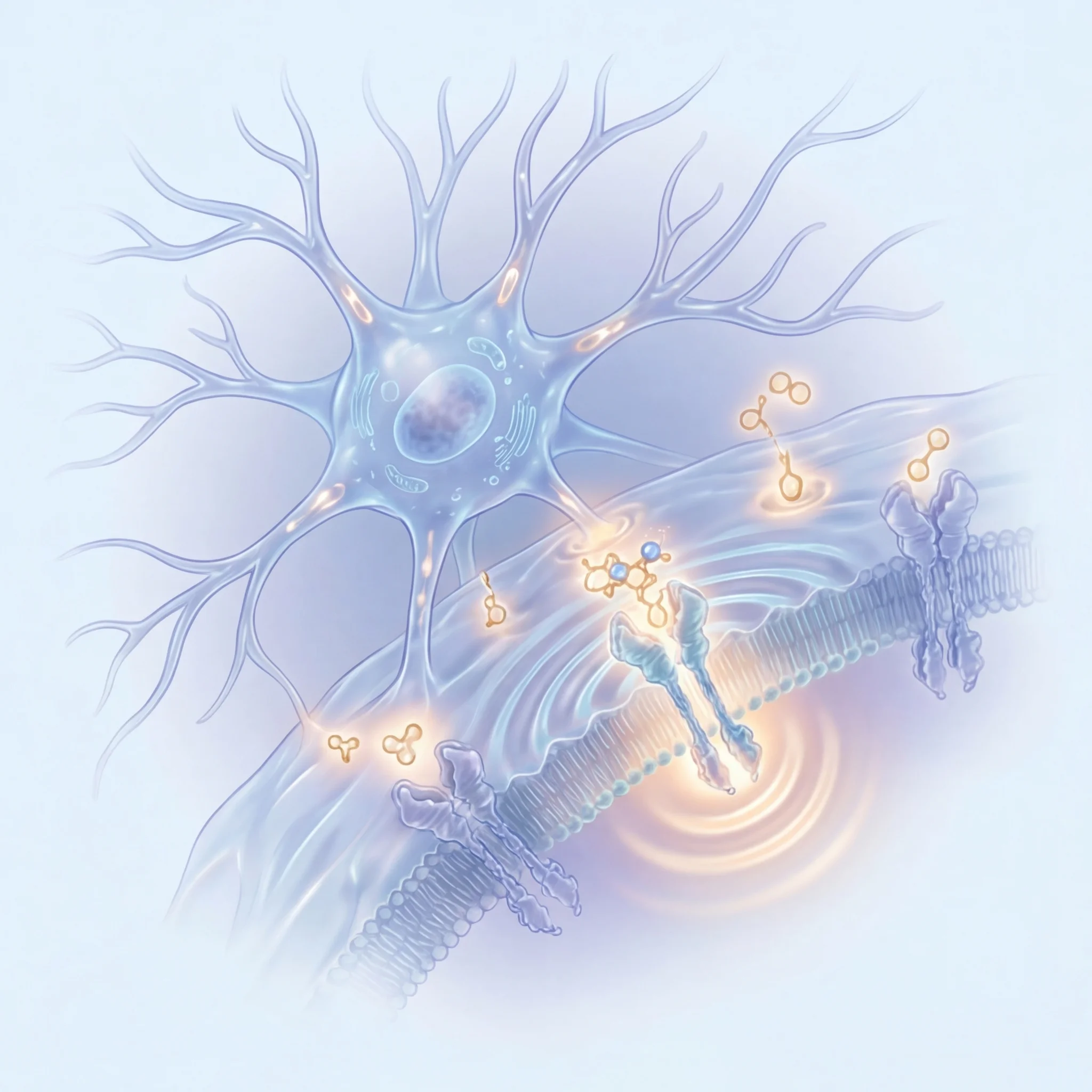
Mechanism
DSIP cellular mechanism preview

DSIP in the Body

Delta sleep-inducing peptide
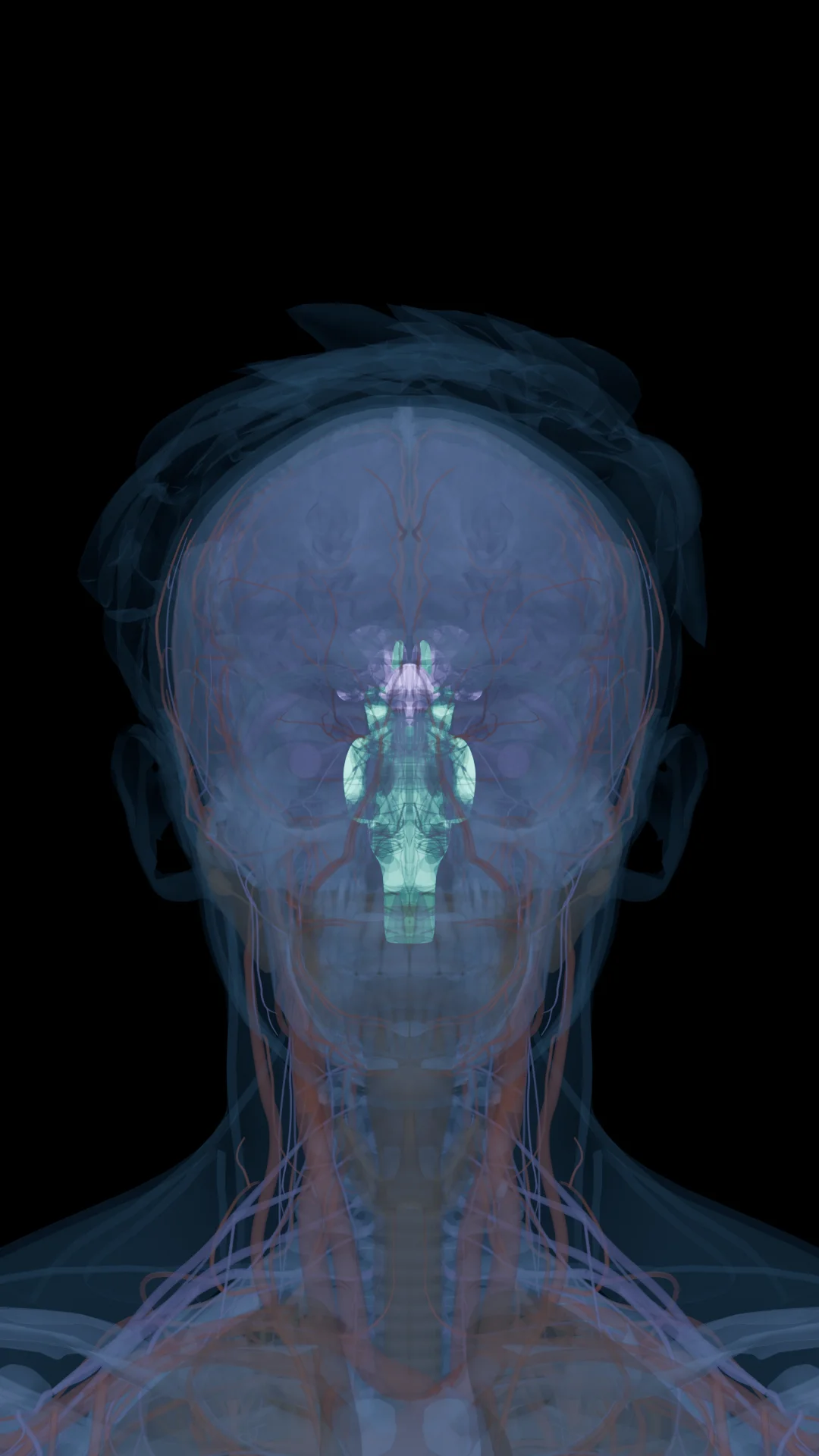
Nervous System
DSIP in the Body

Research Library

Peer-reviewed studies

From Published Literature

"The results suggest that DSIP can be a physiological stimulus for sleep-related growth hormone release as well as for the induction of slow-wave sleep."

Peer-reviewed researchersNeuroendocrinology
Verify on PubMed

Complete Your Protocol

Complementary compounds from other research areas