We’re putting the finishing touches on something special — ordering opens soon. Stay tuned.
← Back to Catalog

BPC-157

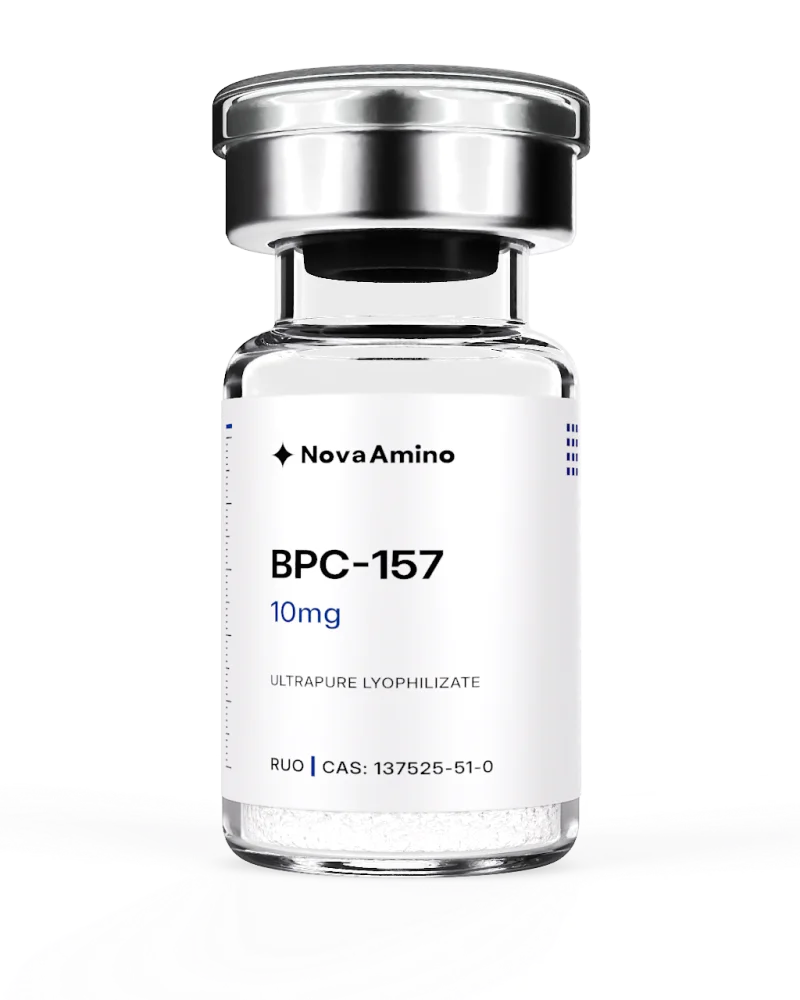
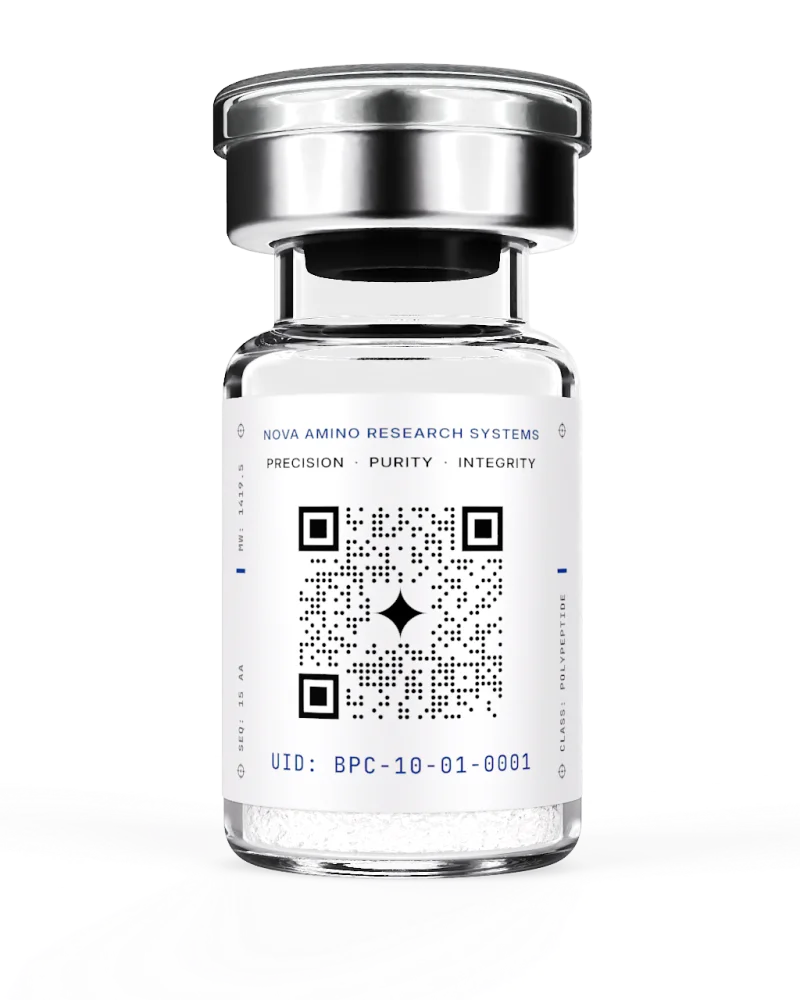
BPC-157 vial frontBPC-157 vial back
Loading...

Summary

PL-14736, PL-10, Bepecin, Body Protection Compound 157

BPC-157 is a peptide originally found in stomach juices that has been studied for tissue repair and healing. Research has examined its effects on tendons, muscles, ligaments, and gastrointestinal tissue in animal models. Studies have investigated how it influences blood vessel formation and inflammatory pathways during the healing process.

Current Research
  • Gastrointestinal protection and gut healing
  • Tendon and ligament repair models
  • Wound healing and vascular response
  • Inflammation and tissue regeneration

Identification
CAS
137525-51-0
Formula
C62H98N16O21
M.W.
1419.5 g/mol

Key Research Statistics

Regeneration & Tissue Repair

200+Peer-Reviewed StudiesPublished since 1991 — most-studied repair peptide
40–60%Faster HealingAchilles tendon — return to function vs untreated controls
Response Rates by Population
Observed across clinical and practitioner data
Acute Tendon/Ligament95%
Athletic/Trained90%
Spinal Cord (Preclinical)85%
Gastric/GI85%
Chronic Joint80%
Clinical research + practitioner reports
Preclinical Efficacy Outcomes
Wound Closure95%
Cell Migration90%
Angiogenesis88%
Anti-Inflammation82%
2025 Systematic Review (36 studies)
100%
Safety Profile
No serious AEs at therapeutic doses — no LD50 found in toxicity studies
All preclinical studies
Need-to-Know

  • Room Temperature (Lyophilized): 3-4 weeks
  • Refrigerated (Reconstituted): Up to 21 days
  • Frozen (Lyophilized): 12+ months
  • Reconstitution Solution: Bacteriostatic water, Sterile water
  • Appearance: White powder

Regulatory Status

Not FDA-approvedInvestigationalPreclinical

Currently in preclinical research phase.

Sources: FDA.gov

History

1990s
Found in stomach acid in 1993 by Croatian researcher Predrag Sikiric; showed protective effects on stomach and gut tissue.
2000s
Animal studies showed healing effects on muscles, tendons, and organs.
2010s
Human trial started in 2015 but results were never published; became popular with athletes.
2020s
Banned by anti-doping agency in 2022; FDA labeled it unsafe for compounding in 2023.

3D Structure

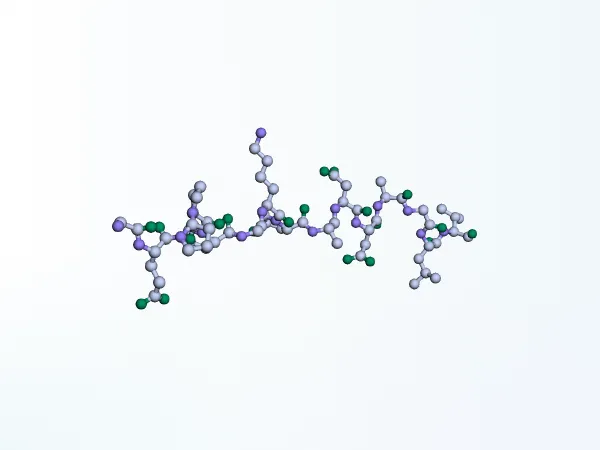
15-amino-acid peptide · 1419.5 g/mol

Interactive model
BPC-157 molecule previewExplore 3D Structure

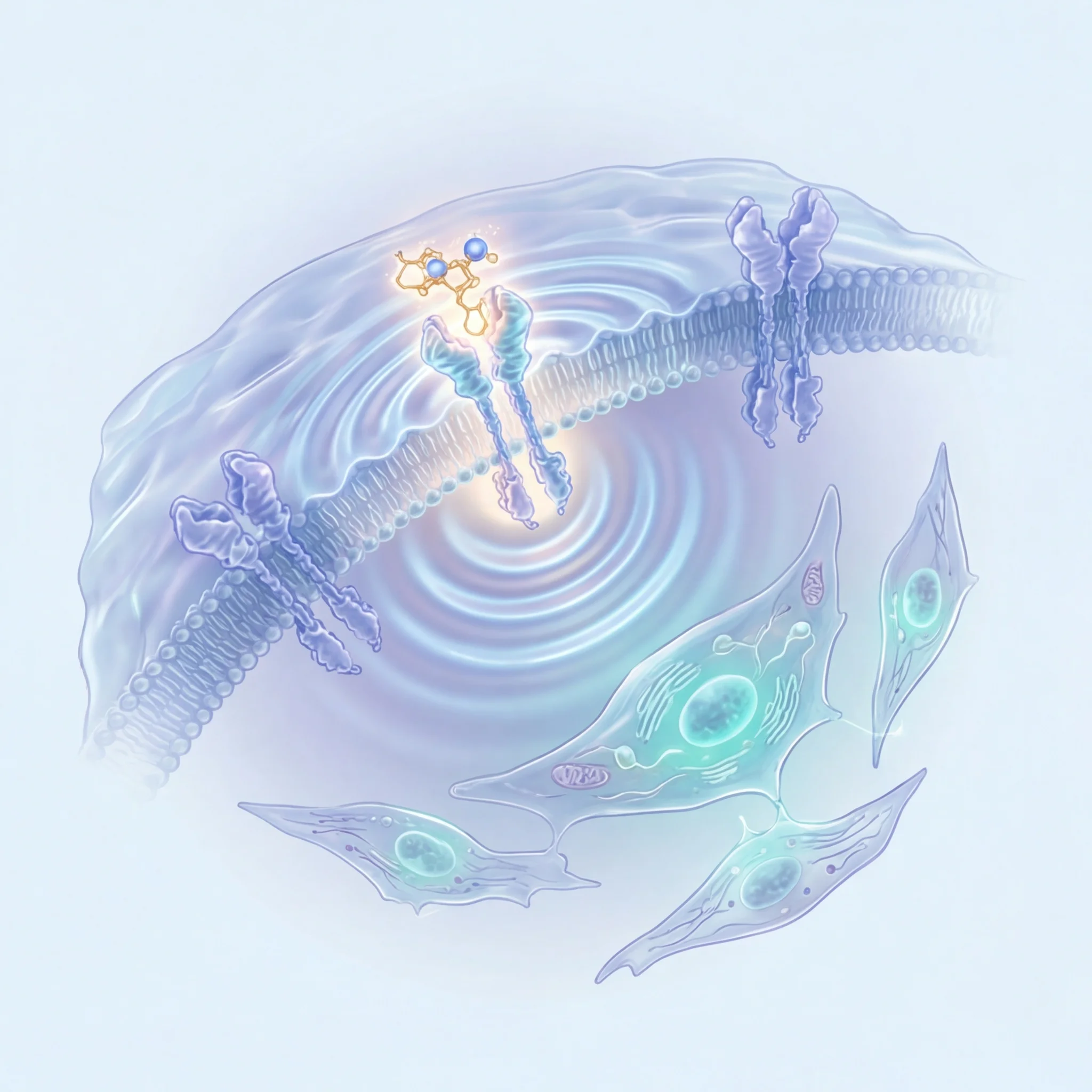
BPC-157 at the Cellular Level

Body protection compound
Mechanism
BPC-157 cellular mechanism preview

BPC-157 in the Body

Body Protection Compound (gastric pentadecapeptide)
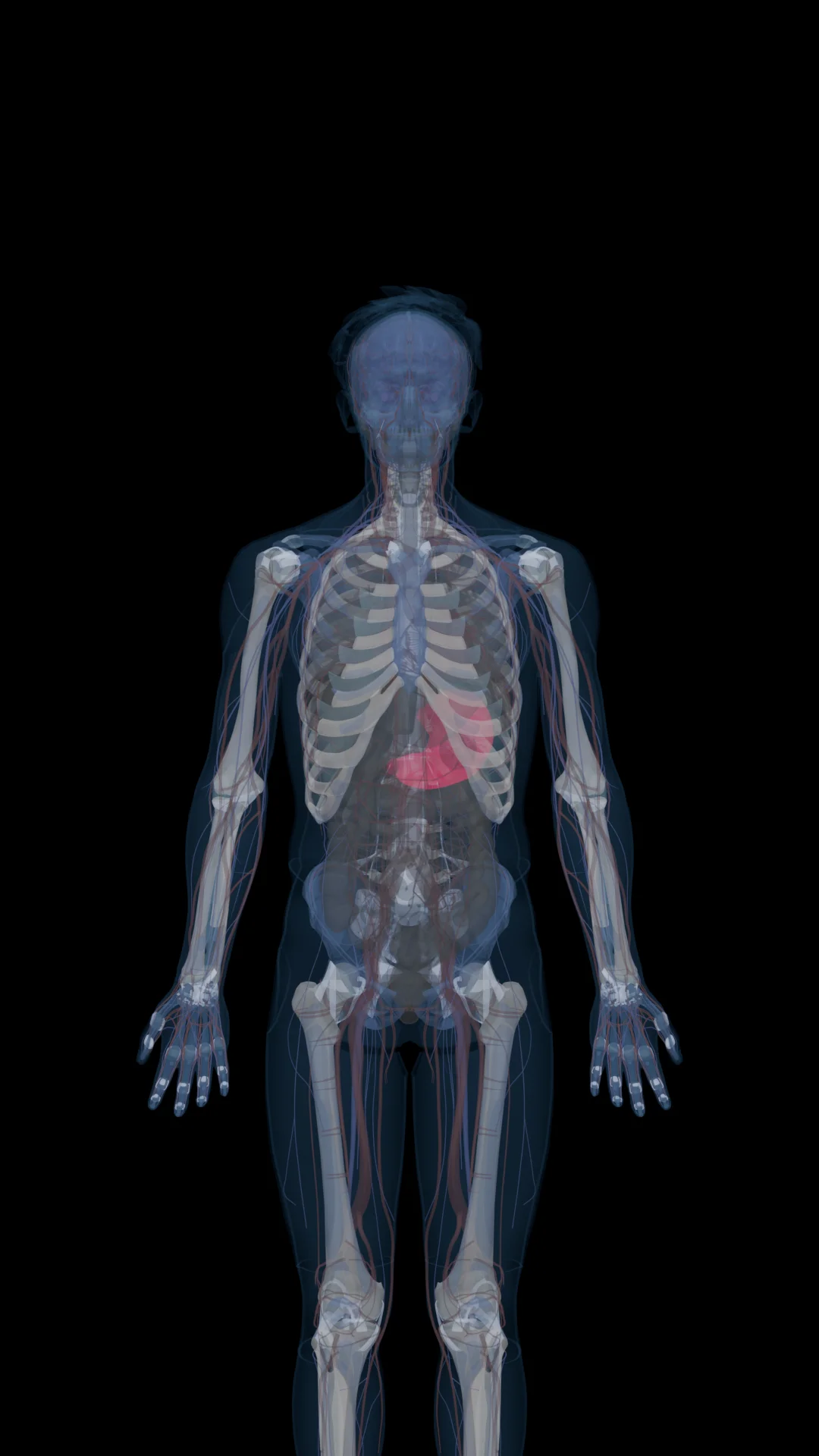
Musculoskeletal
BPC-157 in the Body

Research Library

Peer-reviewed studies

From Published Literature

"Topical treatment with BPC-157 was shown to accelerate wound closure following alkali burn, enhancing healing in preclinical models."

Peer-reviewed researchersLife Sciences
Verify on PubMed

Complete Your Protocol

Complementary compounds from other research areas