We’re putting the finishing touches on something special — ordering opens soon. Stay tuned.
← Back to Catalog

TB-500

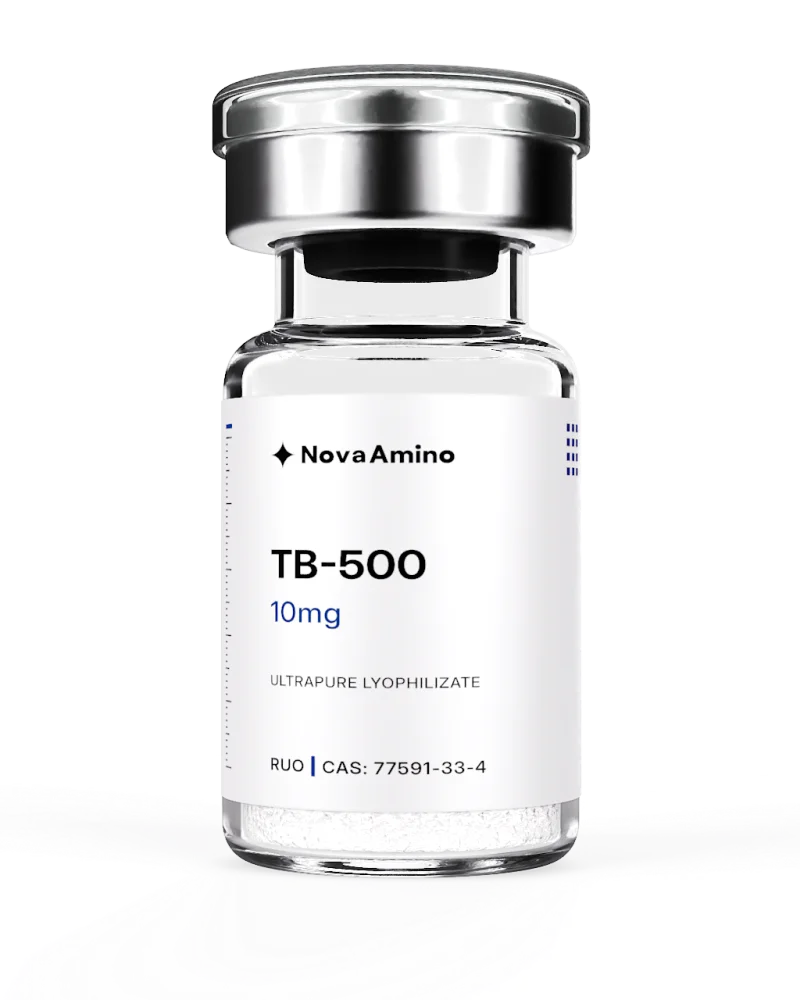
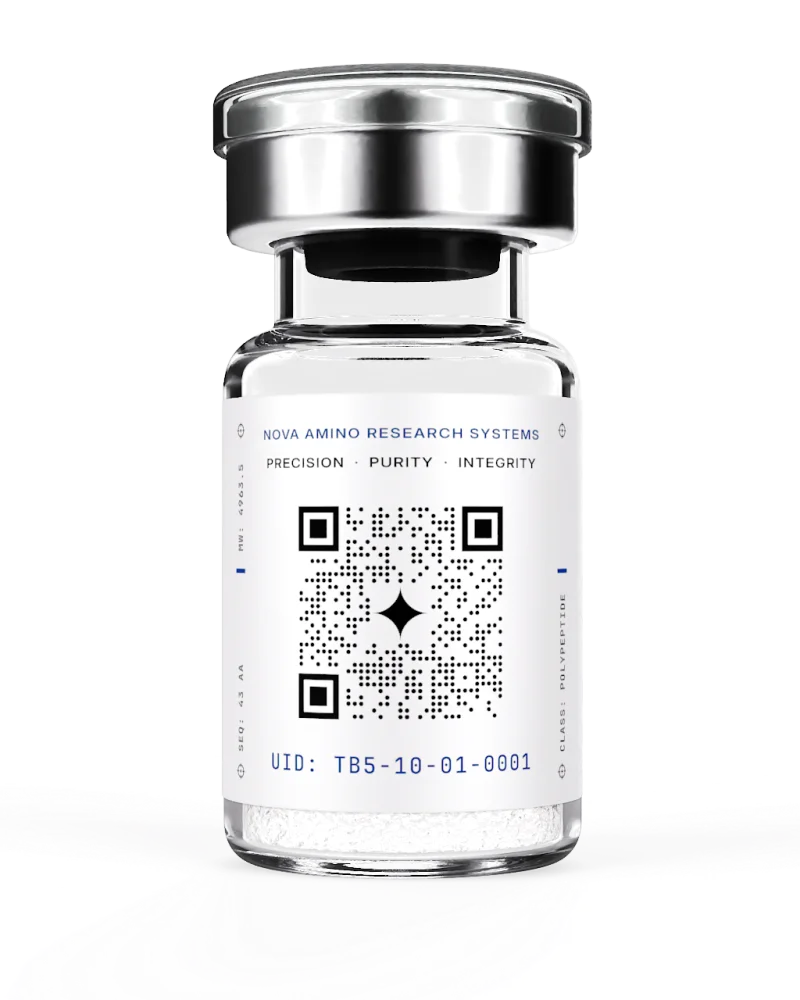
TB-500 vial frontTB-500 vial back
Loading...

Summary

Thymosin Beta-4 fragment, Tβ4, LKKTETQ

TB-500 is a synthetic version of thymosin beta-4, a peptide naturally found in the thymus gland that has been studied for wound healing and tissue repair. Research has examined its effects on cell migration, blood vessel formation, and inflammatory responses. Studies have investigated its role in various injury models including cardiac, neurological, and musculoskeletal tissues.

Current Research
  • Wound healing and tissue repair
  • Cell migration and angiogenesis
  • Musculoskeletal regeneration

Identification
CAS
77591-33-4
Formula
C212H350N56O78S
M.W.
4963.5 g/mol

Key Research Statistics

Systemic Tissue Repair

61%Faster Re-epithelializationWound closure at 7 days vs untreated control
>50%Cardiac LV RecoveryLeft ventricular function improvement post-infarction
0Serious Adverse EventsPhase 1 trial: 42–1,260 mg IV over 14 days
170+Cited Studies43-amino acid endogenous peptide — strong evidence base
Response Rates by Tissue Type
Systemic delivery — works body-wide
Athletic Recovery95%
Muscle Soreness90%
Tendon/Ligament85%
Chronic Muscle80%
Cardiac/Systemic70%
Clinical + practitioner data
Need-to-Know

  • Room Temperature (Lyophilized): Up to 90 days
  • Refrigerated (Reconstituted): Up to 42 days
  • Frozen (Lyophilized): 24 months
  • Reconstitution Solution: Bacteriostatic water, Sterile water
  • Appearance: White powder

Regulatory Status

Not FDA-approvedResearch OnlyResearch

Thymosin Beta-4 in research phase.

Sources: FDA.gov

History

1960s
Thymus gland research began.
1980s
Natural thymosin identified in 1981 from bovine thymus.
2010s
Synthetic version used in horse racing; banned by anti-doping agencies.
2020s
Still banned in sports.

3D Structure

45-amino-acid peptide · 4963.5 g/mol

Interactive model
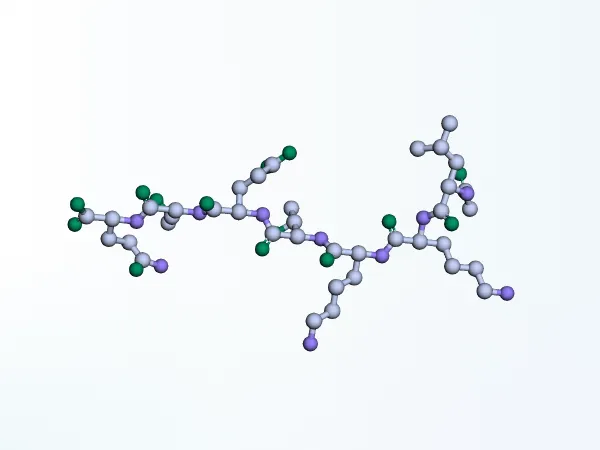
TB-500 molecule previewExplore 3D Structure

TB-500 at the Cellular Level

Thymosin beta-4 fragment
Mechanism
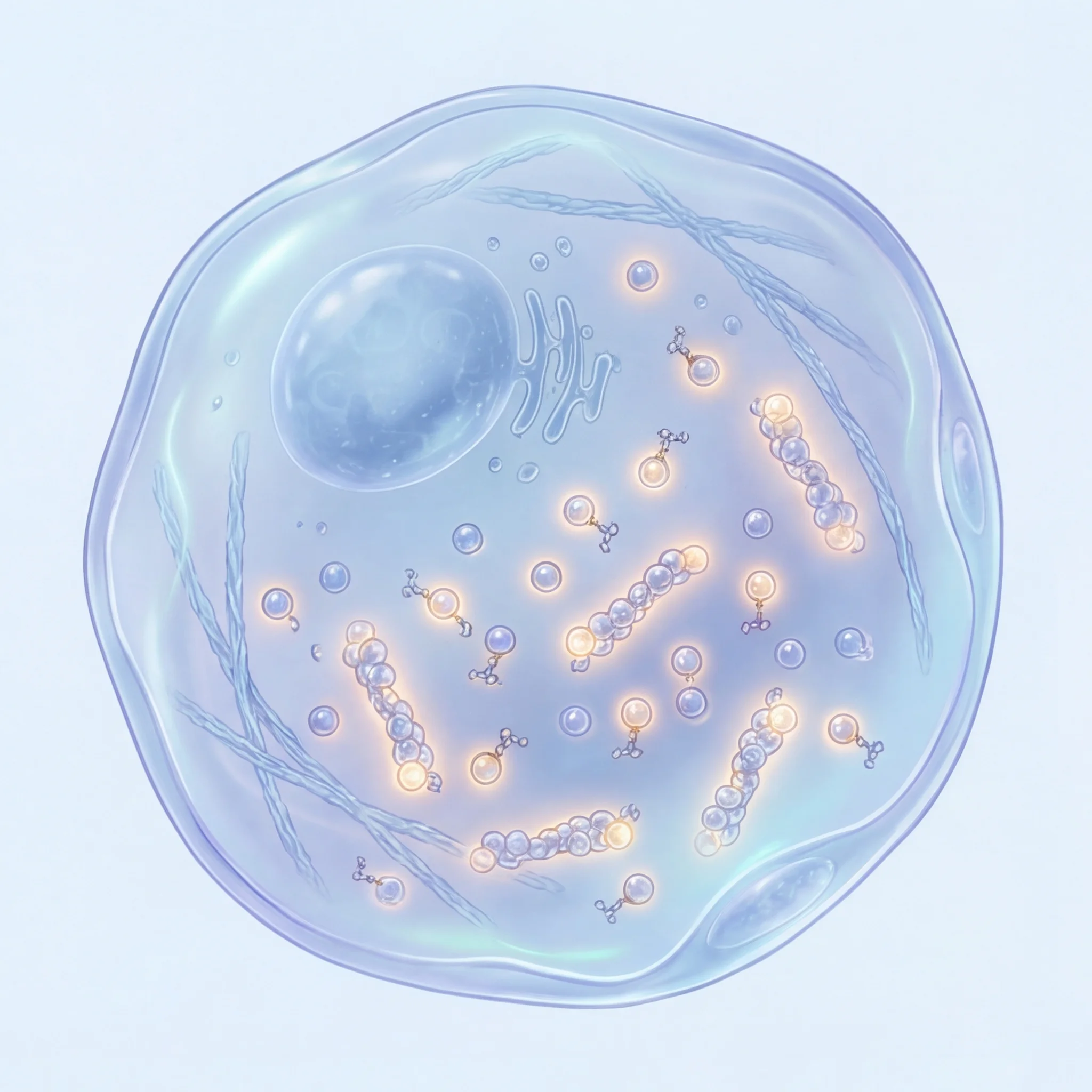
TB-500 cellular mechanism preview

TB-500 in the Body

Thymosin Beta-4 active fragment
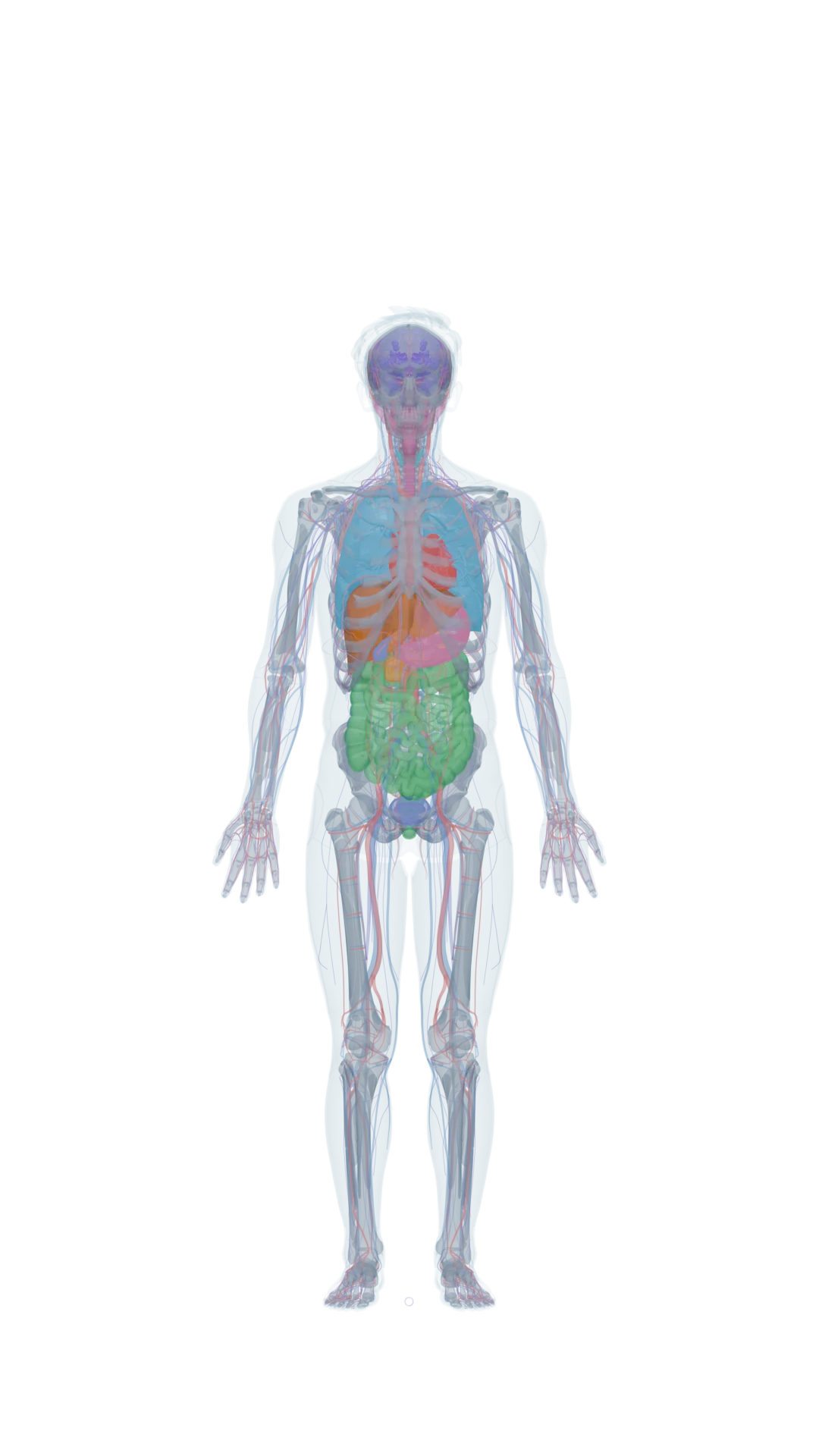
Musculoskeletal
TB-500 in the Body

Research Library

Peer-reviewed studies

From Published Literature

"Thymosin beta-4 improves endothelial function through enhancing cell viability and proliferation, reducing senescence and improving reparative potency."

Peer-reviewed researchersStem Cell Research & Therapy
Verify on PubMed