We’re putting the finishing touches on something special — ordering opens soon. Stay tuned.
← Back to Catalog

IGF-1 LR3

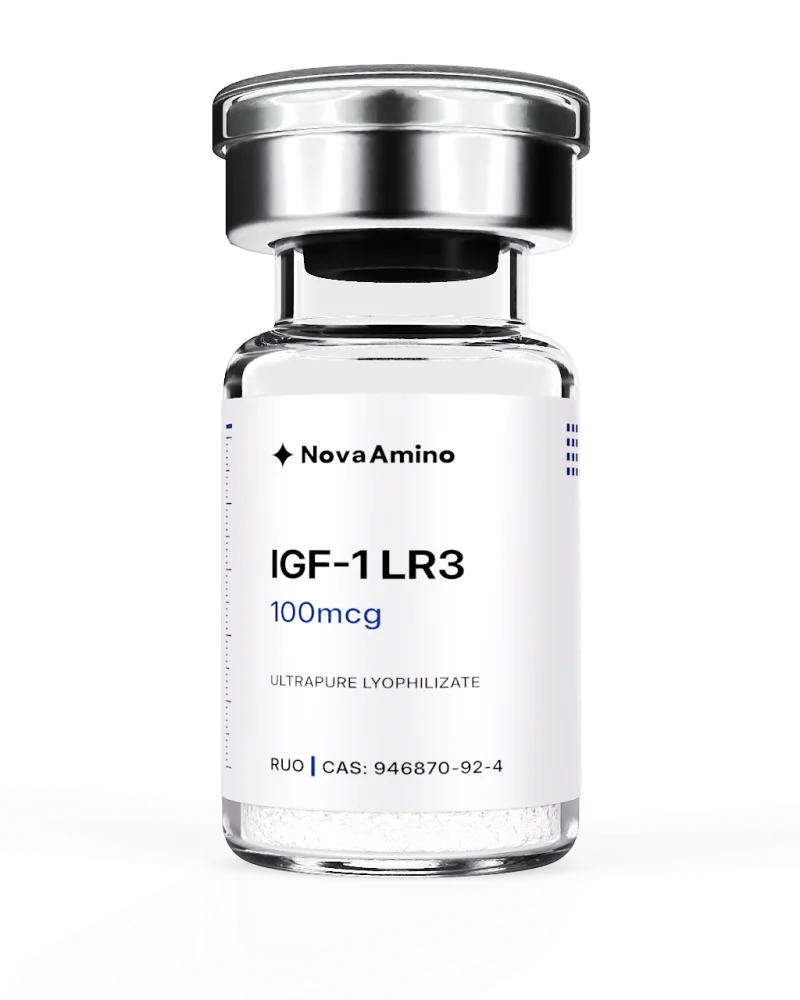
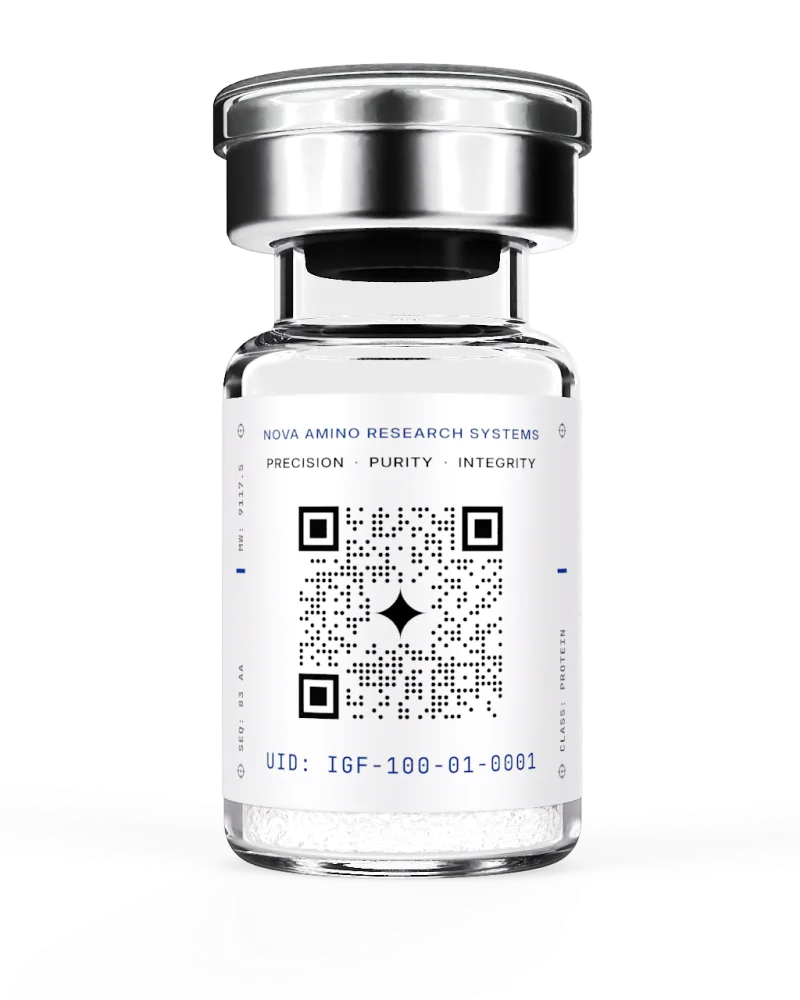
IGF-1 LR3 vial frontIGF-1 LR3 vial back
Loading...

Summary

Long R3 IGF-I, Long arginine 3-IGF-1, LR3-IGF-1

IGF-1 LR3 is a modified version of insulin-like growth factor that lasts longer in the body than natural IGF-1. It has been studied in laboratory and animal research for its effects on muscle cell growth and tissue repair. Research has examined how it activates growth signaling pathways while having reduced binding to regulatory proteins.

Current Research
  • Muscle cell growth and anabolic signaling
  • Peripheral nerve regeneration
  • Pharmacokinetics of long-acting IGF-1 variants

Identification
CAS
946870-92-4
Formula
C400H625N111O115S9
M.W.
9117.5 g/mol

Key Research Statistics

Enhanced Growth Factor

100xReduced IGFBP BindingR3 substitution + N-terminal extension → longer free circulation
>50%Body Weight Gain ReductionAnimal model: 15.8 g vs 35.6 g controls — preclinical.
Potency vs Native IGF-1
Molecular engineering advantages
IGF-1 LR3 Anabolic2.5x
Native IGF-11x
Receptor binding studies
Half-Life Comparison
Extended bioactivity window
IGF-1 LR325hrs
Native IGF-113hrs
Pharmacokinetic data (animal)
Research consideration — malignancy historyIGF-1 LR3 is a potent growth signal. Elevated IGF-1 activity has been linked to accelerated growth of pre-existing malignancies (notably breast, prostate, and colorectal). Not suitable for research in subjects with a personal or family history of cancer.
Need-to-Know

  • Room Temperature (Lyophilized): Up to 90 days
  • Refrigerated (Reconstituted): 14-30 days (do not freeze reconstituted)
  • Frozen (Lyophilized): 12-24 months
  • Reconstitution Solution: Bacteriostatic water, Sterile water, 0.6% acetic acid
  • Appearance: White powder

Regulatory Status

Not FDA-approvedResearch OnlyResearch

Research compound. Related approved therapeutic form available for severe IGF-1 deficiency.

Sources: FDA.gov, WADA.org

History

1990s
Created as longer-lasting version of growth factor IGF-1; 3x more powerful.
2000s
Banned by anti-doping agencies; available through research suppliers.
2010s
Remained banned in sports.
2020s
Still banned; used underground for muscle growth.

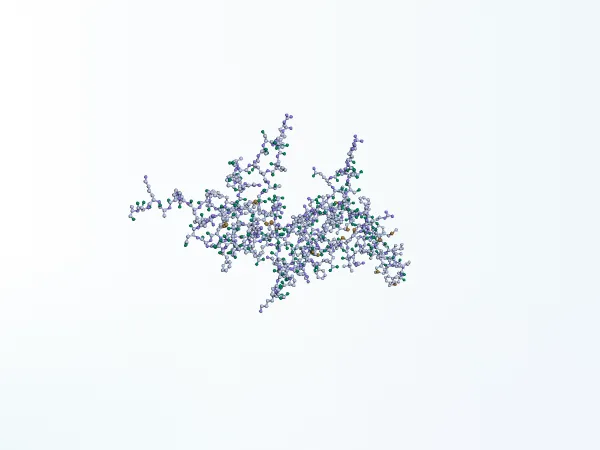
3D Structure

160-amino-acid peptide · 9117.5 g/mol

Interactive model
IGF-1 LR3 molecule previewExplore 3D Structure

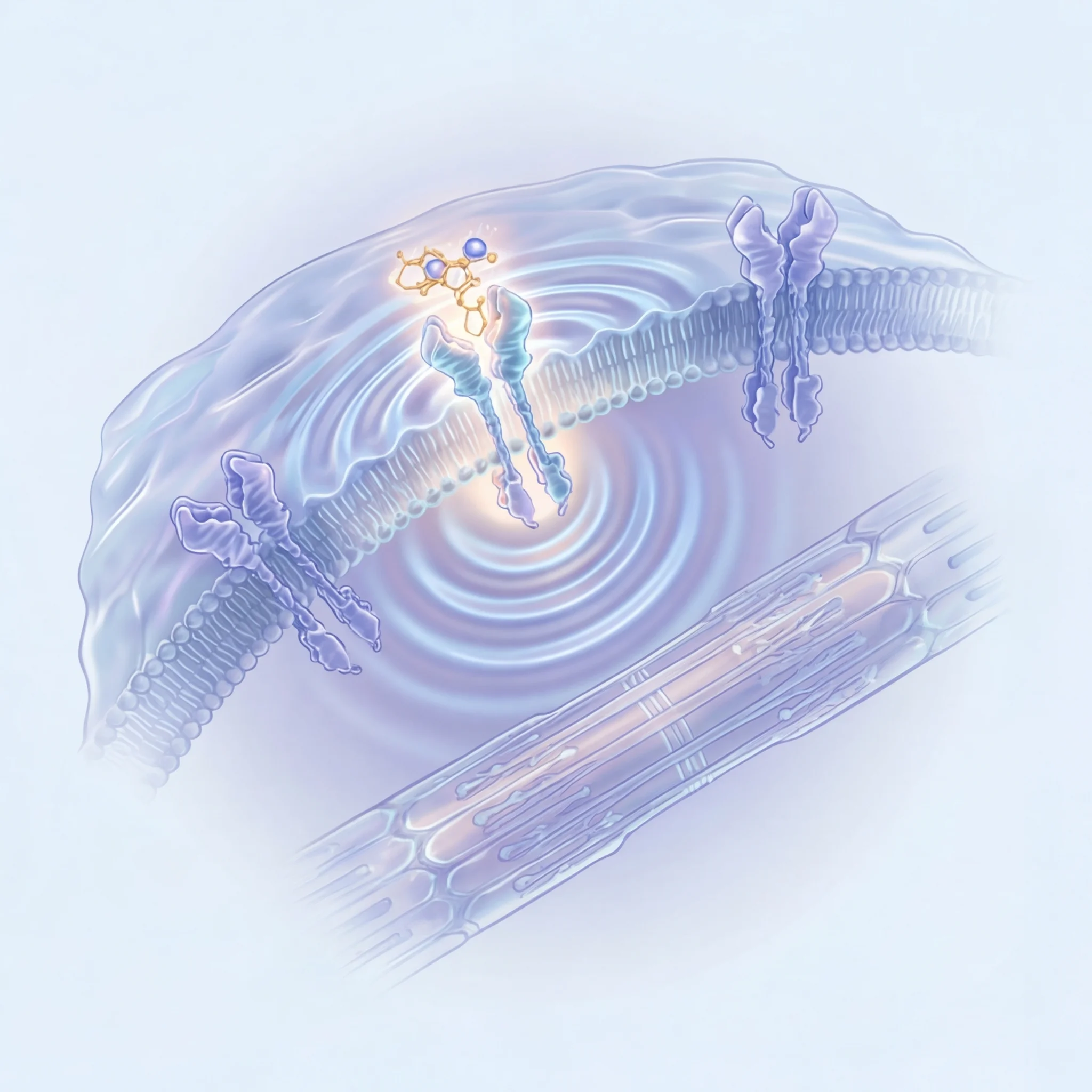
IGF-1 LR3 at the Cellular Level

Insulin-like growth factor
Mechanism
IGF-1 LR3 cellular mechanism preview

IGF-1 LR3 in the Body

Extended-half-life insulin-like growth factor
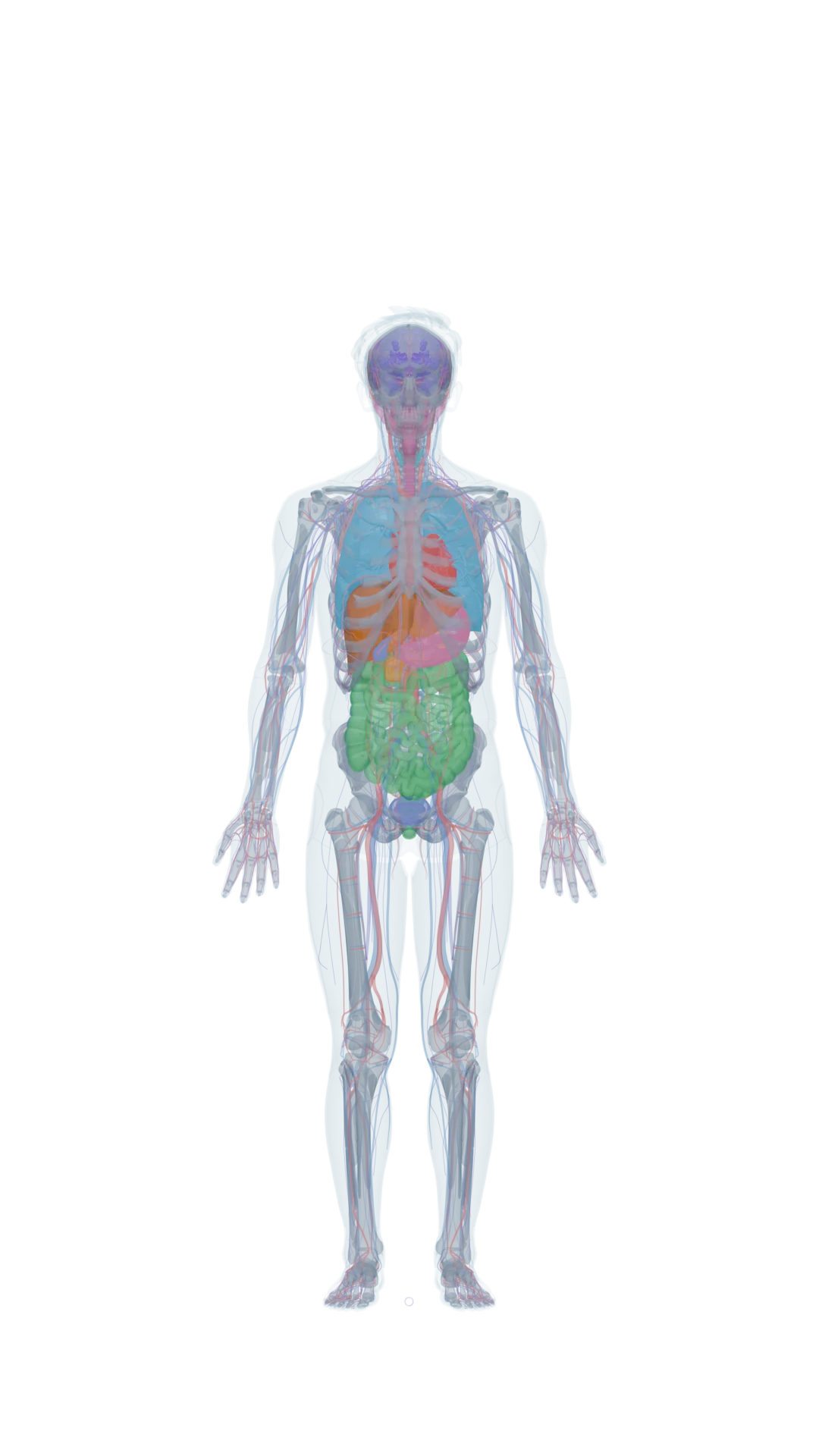
Musculoskeletal
IGF-1 LR3 in the Body

Research Library

Peer-reviewed studies

From Published Literature

"IGF-1 and its analogs such as LR3 play key roles in muscle growth, tissue repair, and metabolic regulation, making them subjects of extensive clinical and sports research."

Peer-reviewed researchersInternational Journal of Molecular Sciences
Verify on PubMed